Featured
Table of Contents
In 2026, the era of making design choices based upon visual preference or "suspicion" has actually mainly ended for high-performing digital brand names. The focus has moved entirely toward measurable outcomes and the cold, tough reality of user information. Companies operating in the competitive digital marketplace now acknowledge that every click, hover, and scroll supplies a map toward greater profits. This shift is most noticeable in how modern-day agencies approach timeline archives, moving far from broad assumptions and towards granular, data-backed changes.
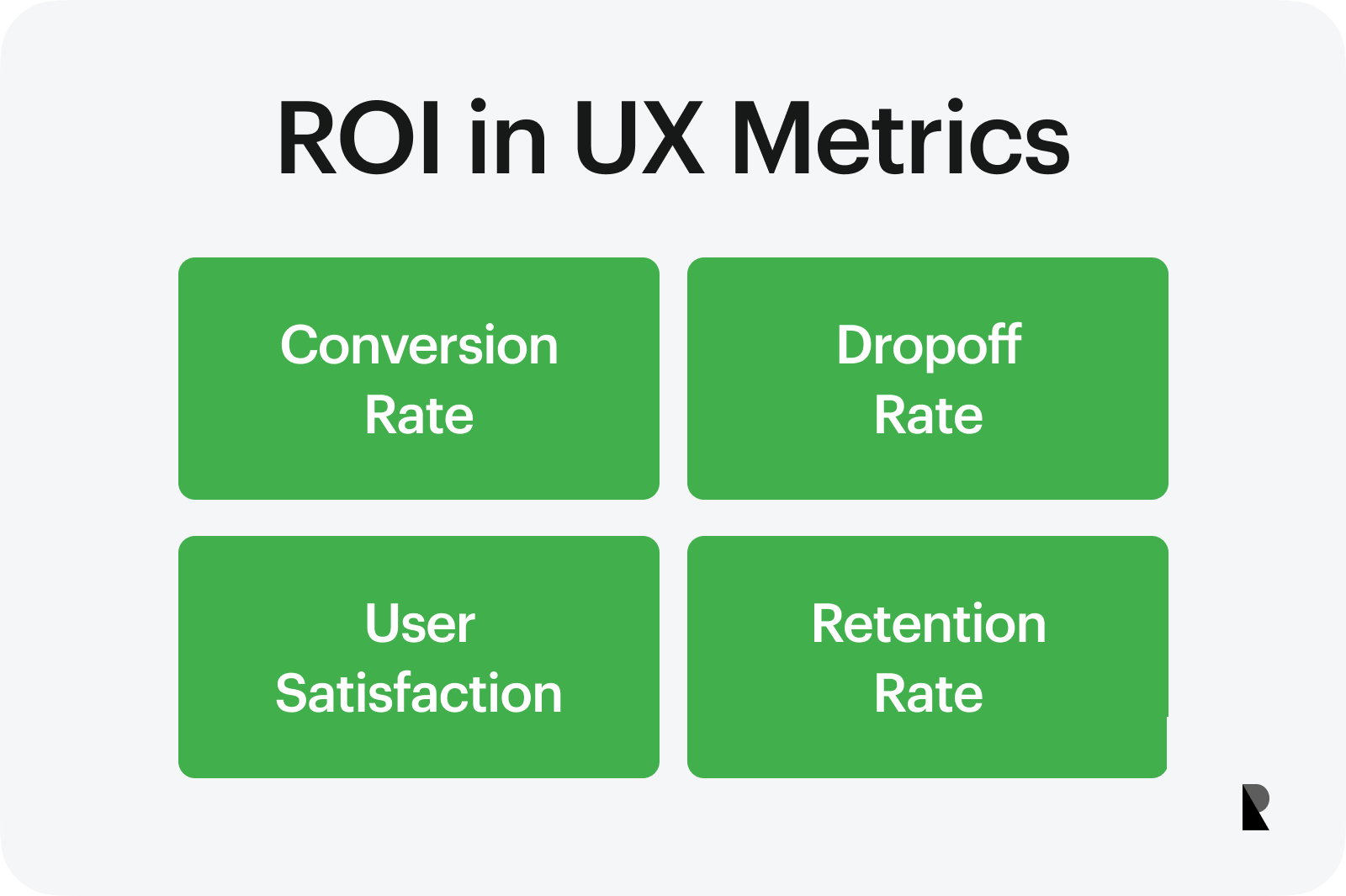
The Shift Towards Evidence-Based Style in 2026
The standard for digital success has moved beyond basic traffic numbers. With the rise of AI search optimization (AEO) and generative engine optimization (GEO), getting a user to a page is only half the battle. Once there, the user experience should be frictionless. Steve Morris, CEO of NEWMEDIA, has actually spent much of 2026 discussing how the integration of AI-driven analytics and standard website design produces a feedback loop that straight affects the bottom line. His company, which runs across significant centers including Denver, Chicago, Nashville, Dallas, Atlanta, LA, Miami, and New York City, has documented how timeline archives can be measured down to the cent.
One specific instance involving a large-scale enterprise revealed that even small friction in the checkout or lead-capture procedure could result in countless dollars in lost opportunities. By using an extensive data-driven methodology, the team achieved a 40% boost in conversion rates without increasing the overall advertising invest. This was not the outcome of a single "huge concept" however rather a thousand little, data-informed corrections. Businesses looking for Standard Project Timelines often find that these incremental gains are what develop sustainable development over numerous quarters.
Translating User Intent with RankOS and AEO
The technical backbone of this 40% enhancement frequently involves specialized tools like RankOS. In 2026, SEO is no longer a standalone service; it is deeply intertwined with how a website functions. If a website ranks well however stops working to convert, the online search engine eventually notice the high bounce rates and bench the material. This is where AEO and GEO enter into play. By optimizing for how AI representatives and search engines perceive "helpfulness," companies can make sure that the traffic showing up on a website is currently pre-qualified.
When taking a look at web design and development, the focus needs to remain on the user's instant requirements. When it comes to the client's specific sector, data exposed that users were searching for other much earlier in the cycle than formerly believed. By moving this content and streamlining the underlying site architecture, the friction was eliminated. This change was supported by timeline archive page that tracked the exact moment a user chose to leave the page.
Quantifying the ROI of Digital Strategy
The financial argument for data-driven UX is easy: it lowers the expense per acquisition (CERTIFIED PUBLIC ACCOUNTANT) When 40% more visitors complete a wanted action, the reliable value of every dollar invested on pay per click, social networks marketing, and SEO doubles. This compounding result is why Professional Standard Project Timelines has actually ended up being important for contemporary businesses wishing to remain ahead of the curve in 2026. Instead of purchasing more traffic, the method concentrates on making the existing traffic better.
Steve Morris has often kept in mind in industry publications that numerous brand names waste spending plans on "vanity metrics" like likes or raw page views. The real metric that matters in 2026 is the conversion efficiency. For a client concentrating on high-volume transactions, the team at NEWMEDIA focused on specific user pathing to determine where the "leakages" remained in the sales funnel. They utilized heatmaps to see where users were clicking non-interactive aspects, which signaled confusion. Repairing these dead-ends was a primary motorist of the 40% lift.
Practical Steps in a Data-Driven Overhaul
To attain these sort of results, the procedure usually follows a strict series of discovery, testing, and implementation. It begins with an audit of the current digital presence. The data typically exposes surprising facts-- such as the reality that a mobile variation of the website might be carrying out significantly worse than the desktop version for other, even if it looks identical. Data-driven design means relying on the numbers over the eye.

- Hypothesis Generation: Utilizing timeline archive page to think why users are dropping off.
- A/B Screening: Running two versions of a page to see which one performs much better in real-time.
- Iterative Enhancement: Making little modifications to the content management system based on test results.
- Last Recognition: Verifying that the modifications resulted in the predicted 40% conversion increase.
This technique was particularly effective for a job involving timeline archives. By simplifying the navigation and ensuring that search optimization efforts were lined up with the real user interface, the brand saw an immediate stabilization in their lead flow. This wasn't practically making the site "prettier"-- it was about making it more practical for the particular audience it served.
The Future of User Experience in 2026
As we move further into 2026, the tools offered for tracking and examining user habits will only become more advanced. AI can now predict where a user will click before they even move their mouse. Agencies that use these tools are no longer simply thinking; they are engineering success. The 40% conversion lift seen in recent case studies is becoming the new benchmark for what is possible when style and data are completely lined up.
For businesses in cities like Chicago, Nashville, and Atlanta, the competitors is fierce. Staying relevant needs a commitment to consistent testing. The work done on timeline archives is never truly ended up. It needs continuous monitoring of timeline archive page to ensure that as user behavior shifts, the digital experience shifts with it. Steve Morris and his team continue to promote for this "always-on" optimization approach, making sure that their clients in LA, Dallas, and New York City maintain their edge in an increasingly automated world.
Ultimately, the success of a data-driven UX project is measured by the bottom line. When the ROI is clear-- as it was with the 40% conversion increase-- the financial investment in high-level technical design services pays for itself. In the present 2026 climate, data is the only dependable compass for browsing the intricacies of digital marketing and web advancement. Brands that overlook the numbers do so at their own danger, while those that embrace them are discovering new levels of profitability and market share.

Latest Posts
Zero Trust Architecture: The New Standard for Local Websites
Lowering Data Bloat: A Guide for Detroit Web Owners
The Advancement of Mobile Availability for Detroit Users